The Overseas Detour: Why More American Hoopers Are Skipping the G League for a One-Way Flight
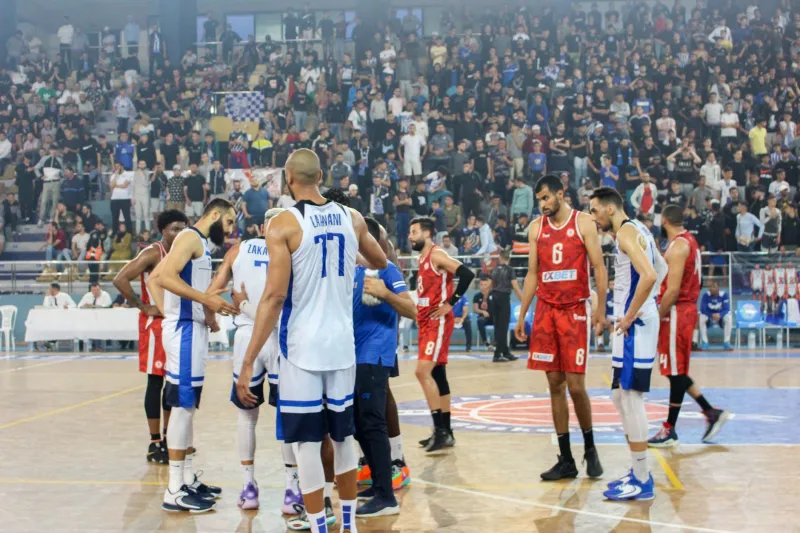
There's a decision point that hits every fringe NBA player, usually around late August. Training camp invites are drying up. The two-way deal didn't come. The G League — roughly $40,000 a season before bonuses — sits there as the default answer.
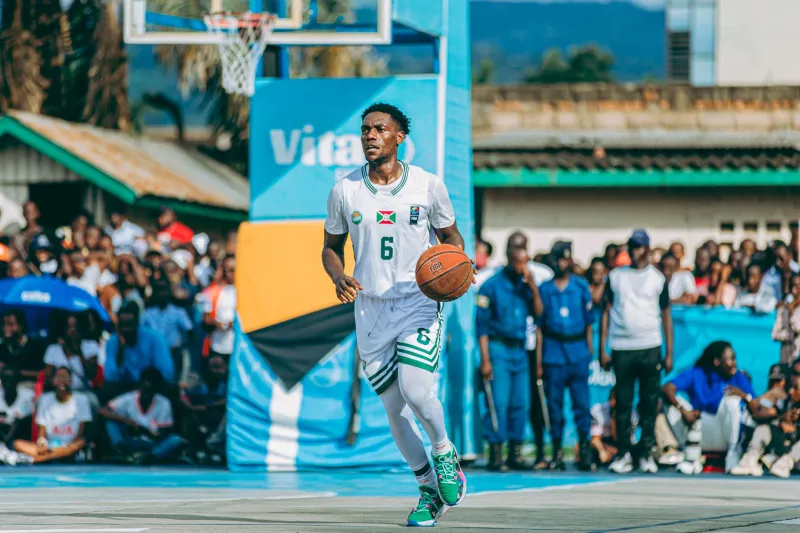
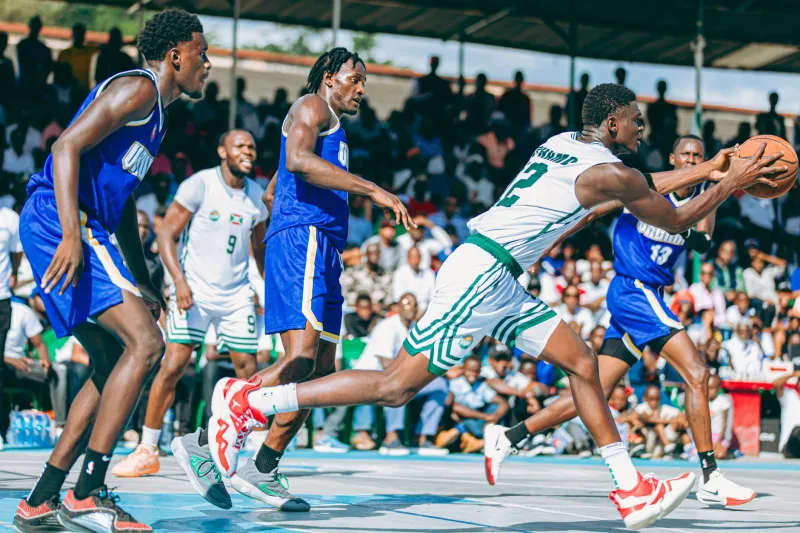
More and more American players are saying no thanks, grabbing a passport, and signing somewhere they've maybe never visited. A EuroLeague club in Serbia. A CBA team in China. An NBL squad in Australia. And here's the twist: for a growing number of them, the detour works better than the conventional route ever did.
The Money Conversation Nobody Has Out Loud
Let's start with the uncomfortable math. A standard G League deal pays in the neighborhood of $40K. An overseas contract in a top European league — Spain's Liga ACB, Italy's Lega Basket, the Adriatic League — typically starts around $100K–$300K for an American import, with established names pushing well past $500K. China's CBA has famously paid import guards seven figures. Australia's NBL, while more modest, offers genuine NBA exposure and a player-friendly development reputation.
For a 24-year-old with a knee and a short career window, that's not a hard call. It's a life-changing call.
And it's not just money. Overseas rosters only carry a handful of import slots, which means American players go from NBA deep-bench afterthoughts to featured guys with 30+ minutes, primary shot-creating duties, and film that actually gets watched.
The Lifestyle Shock
It's not all glamorous. Ask anyone who's done it: the apartment is smaller than you'd think, the travel is buses and budget airlines, the food is cafeteria pasta before road games, and your translator becomes your best friend in week one. In Belgrade or Athens, you learn quickly that basketball fans are not polite observers — they're stakeholders. They'll know your stats, your contract, and your girlfriend's name by November.
But the basketball? Genuinely high level. FIBA club competition features real scouting, real systems, real pressure, and veterans who've spent a decade mastering the craft of winning possessions. A season of that teaches things a G League year sometimes doesn't: how to play without the ball, how to close out a game on the road in a hostile building, how to be a professional.
Ranking the Best Overseas Revival Stories
Since this is FIBAHub and rankings are our love language, here are the modern-era American careers that the overseas detour saved or supercharged:
1. Jeremy Lin — After his NBA run wound down, Lin went to the CBA with Beijing and became an absolute superstar, reminding everyone the Linsanity engine still had fuel. His overseas chapter reframed his entire legacy.
2. Norris Cole — Two NBA rings with Miami, then a EuroLeague legend turn with Maccabi and others, including a monster EuroLeague run that made him one of the most respected American imports of his generation.
3. Deni Avdija's opponents' nightmare — no wait, let's keep it American: Jordan McRae — Bounced around the league, torched the CBA and international competition for 40-point games, and parlayed it back into NBA rotation minutes with Washington.
4. PJ Dozier — Used stints in the G League and overseas-adjacent exposure to rebuild his value before earning a real NBA role in Denver.
5. Nate Robinson's spiritual successor in grit: Yuta's NBA teammate pipeline — okay, final pick: Malcolm Thomas — A D-League/EuroLeague journeyman whose international production kept earning him NBA 10-day looks for years.
The Pipeline Is Now a Highway
NBA front offices have noticed. Scouts watch EuroLeague and NBL film weekly. General managers increasingly value the player who spent two years as the man in Milan over the one who rode an NBA bench in street clothes. The stigma that used to follow "he couldn't cut it in the G League" has flipped — now it's "he went overseas and balled, which means he can actually play."
For young American players weighing the choice this summer, the advice from the guys who've done it is unanimous: if the NBA call isn't coming, don't wait by the phone. Get on the plane. Learn the game the rest of the world plays. The door back home doesn't close — sometimes it swings wider.
Where the world plays basketball, it turns out, is also where a lot of American careers get saved.