No Whistle for You: Why NBA Superstars Shrink When FIBA Refs Take Over
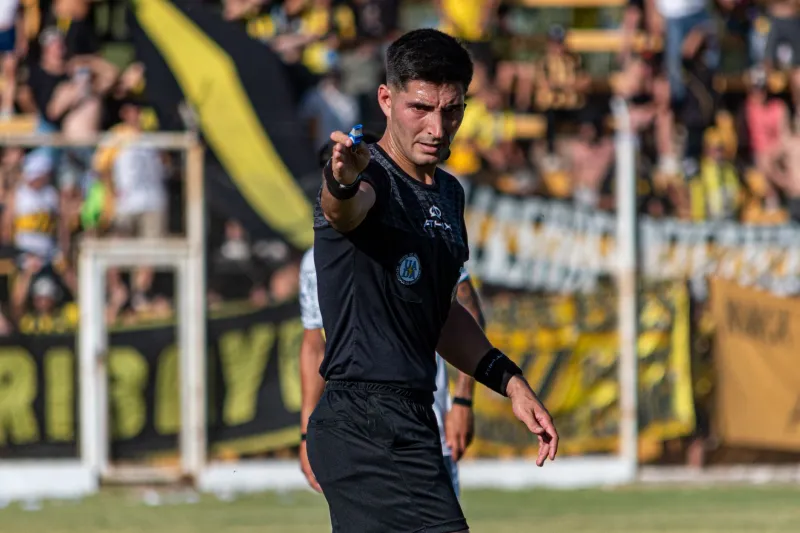
Picture the scene: an NBA MVP, a man who has never fouled out of a meaningful game in his life, picks up his third personal with seven minutes left in the second quarter. He looks at the referee. The referee looks back with the emotional warmth of a customs officer. Welcome to FIBA basketball, where the whistle doesn't care who you are.
For American fans who only tune in during Olympic summers or World Cup runs, the officiating gap is the single biggest adjustment nobody talks about enough. We obsess over the three-point line, the shorter shot clock, the trapezoidal lane. Those matter. But the refs? They change everything.
The No-Star-Treatment Doctrine
In the NBA, superstardom is a currency. LeBron gets the benefit of the doubt. Embiid's shimmy gets a whistle. Giannis lowering his shoulder gets reclassified as an "advantage." Fair or not, that's the ecosystem — stars are investments, and investments get protected.
FIBA referees operate under no such delusion. A foul is a foul whether it's committed by a two-time MVP or a third-string wing from Slovenia. There's no reputation quota, no superstar tax on the opponent. The result is a jarring experience for American players who've spent their entire professional lives officiated by people who know their names.
Ask anyone who's watched Team USA in a tight knockout game. The pattern repeats itself: an NBA All-Star drives, gets bumped, expects the call, doesn't get it, and suddenly the entire offensive scheme is out of rhythm because their best player is on the bench in foul trouble.
Hand-Checking Is Alive and Well
Here's the rule change that breaks brains: in FIBA play, defenders can get away with contact on the perimeter that would trigger a flagrant review in the NBA. Hand-checking, in the classic sense, never really left the international game. A wing defender can ride a cutter's hip, glove the dribbler's forearm, and generally make life miserable without fear of the whistle.
For American guards raised on freedom of movement rules — where breathing on a shooter is a foul — this is a genuine shock. Catch-and-shoot specialists who feast on NBA defensive restrictions find their shots contested in ways they've literally never experienced at the pro level. The mid-range game, long dead in the States, suddenly becomes a survival skill because that's the only shot you can actually create.
Flopping Doesn't Pay
NBA officials have tried crackdowns on flopping, but the fines are pocket change and the enforcement is inconsistent. FIBA takes a blunter approach: flop, and you might just get called for it. Officials will hit a player with a technical for theatrical selling, and they're not shy about it.
This matters more than it sounds. A chunk of the NBA star toolkit — the exaggerated contact sell, the leg kick on the three, the arms-up flail — simply doesn't work internationally. Players who generate half their scoring from the line discover that the free throw well has run dry. You have to actually make shots.
The Meltdown Hall of Fame
Every American basketball fan has a core memory of this phenomenon. Superstars picking up quick fouls and spending the first half stapled to the bench, arms crossed, seething. Coaches burning timeouts not to draw up plays but to beg their stars to stop reaching. The infamous games where Team USA trailed at halftime to a team they were supposed to beat by thirty, in large part because their best player played nine first-half minutes.
It's not a talent problem. It's a calibration problem. These players are adjusting, in real time, to a completely different enforcement standard against opponents who've been playing under these rules their entire lives.
What It Means Going Forward
Here's the practical takeaway for Team USA's roster construction: stop selecting purely on NBA production and start selecting for rule adaptability. Players from physical college programs, guys who played international ball young, wings who don't need whistles to score — those are the builds that travel.
There's also a case for sending players to FIBA qualifying windows and youth international competitions earlier, so the adjustment happens at 19 instead of 27. The rest of the world grows up on this rulebook. We treat it like a pop quiz.
The NBA game is a beautiful spectacle, and its officiating is part of the show. But when the games matter most on the world stage, the refs speak a different language — and the Americans keep showing up without a translator. Until that changes, expect more foul trouble, more bench scowls, and more nail-biters that should have been blowouts.
The whistle doesn't know your shoe deal. Adapt or sit.