Before the Jersey Comes the Paperwork: How Passports Quietly Decide Who Plays for Whom
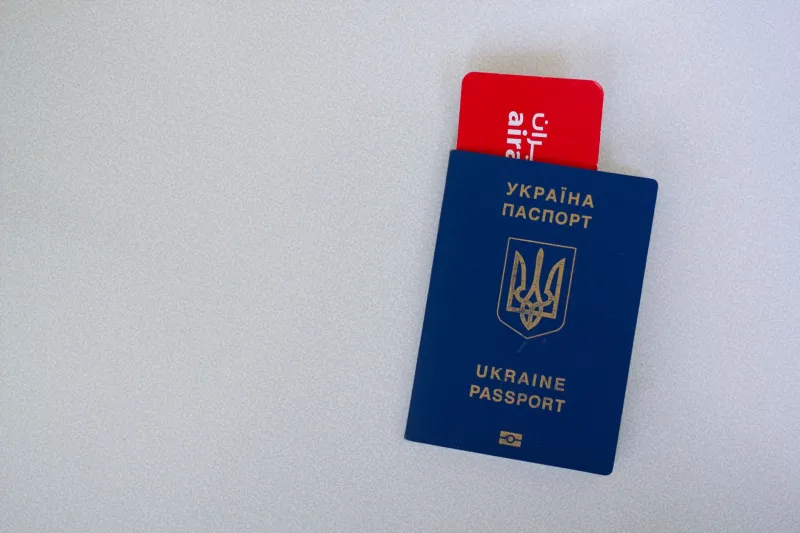
You see a name you recognize from a college box score, and it is stitched across a jersey you don't recognize. Maybe it is a guard who averaged 12 a game in the Atlantic 10. Maybe it is a big man who spent two years in the SEC. Suddenly he is listed on a national-team roster for a country he has never lived in, and the group chat has questions. The short answer is usually not a scouting report. It is a passport.
FIBA eligibility is one of the least glamorous parts of international basketball, and one of the most consequential. Before a coach can draw up a play, someone has to prove paperwork. Before a federation can announce a roster, a player has to be a national of that country under rules that are part lawyer's manual, part family tree. For American fans, this is why the summer and fall windows keep producing that strange feeling: familiar names, unfamiliar flags.
The Roster You See Is the Last Step
FIBA eligibility is not a single checklist. It is a stack of them. Dual citizenship is the cleanest path. If a player has a parent or grandparent from another country, and that country's laws allow citizenship to pass down, the basketball side can move quickly once the documents are in order. The hard part is often not the rule itself. It is finding a birth certificate from a small town, getting it translated, tracking down a marriage record, or convincing a consulate that the family name was spelled three different ways across four decades.
The naturalization path is narrower. FIBA regulations allow national teams to use a limited number of players who acquired citizenship later in life, and the specifics can get technical fast. The rules are designed to protect the idea that national teams represent something bigger than a free-agent market. They also leave room for exceptions, appeals, and case-by-case decisions. That is why the same player can be eligible for one federation and not another, and why the answer can change when the paperwork does.
Heritage Is a Scouting Report Now
American-born players with heritage ties have become a quiet recruiting pipeline. Agents know it. Federations know it. College coaches are starting to know it, too. A player who is not on NBA draft boards can still be a useful international piece, and a federation that finds him early can build a relationship before the paperwork becomes urgent.
That relationship often starts with a phone call, not a workout. An agent asks a family about a grandmother's birthplace. A lawyer checks whether the country allows dual citizenship. A federation official explains the timeline for a passport. Sometimes the player is excited. Sometimes he is surprised. Sometimes he has never thought about the country beyond a family story, and now he is staring at a roster deadline.
The best-case version is not cynical. It is a player finding a basketball home he did not know he had. The worst-case version is a federation treating a passport like a depth chart. Most of the time it is somewhere in between: a practical arrangement that gives a player a chance and gives a team a body.
The Deadline-Day Phone Call
The November window is when this stuff becomes visible. Rosters have to be submitted. Travel has to be booked. A player who was a maybe in September is suddenly a yes in November, and the reason is often a document that arrived at the last minute. A consulate appointment can matter more than a 40-point night. A translation error can cost a player a window. A passport that expires in six months can quietly end a season.
This is why the behind-the-scenes work is so frantic. Federations have staffers who do almost nothing but chase paperwork during qualifying windows. Agents hire lawyers who specialize in nationality and immigration. Families dig through boxes. Players take red-eye flights to sign forms. None of it shows up in the broadcast, but it determines who is on the broadcast.
What It Means for US Fans
When you see an American college name on a national-team roster, resist the urge to call it a loophole. Sometimes it is a legitimate family connection. Sometimes it is a naturalization rule being applied exactly as written. Sometimes it is a federation doing what federations do: looking for an edge within the rules.
The bigger point is that international basketball rosters are not just basketball decisions. They are citizenship decisions, family decisions, and deadline decisions. The passport is part of the play. US fans are going to keep seeing familiar names on unfamiliar jerseys, and the backstory will often be a birth certificate, not a scouting report.
That does not make the games less real. It makes them more complicated, which is usually a good thing. The next time a guard you watched in the MAC shows up in a qualifying box score for a country you had to look up, remember: the roster was built twice. Once on the court, and once in the paperwork.


