Red-Eye to Belgrade: The Grind Behind Every FIBA Jersey
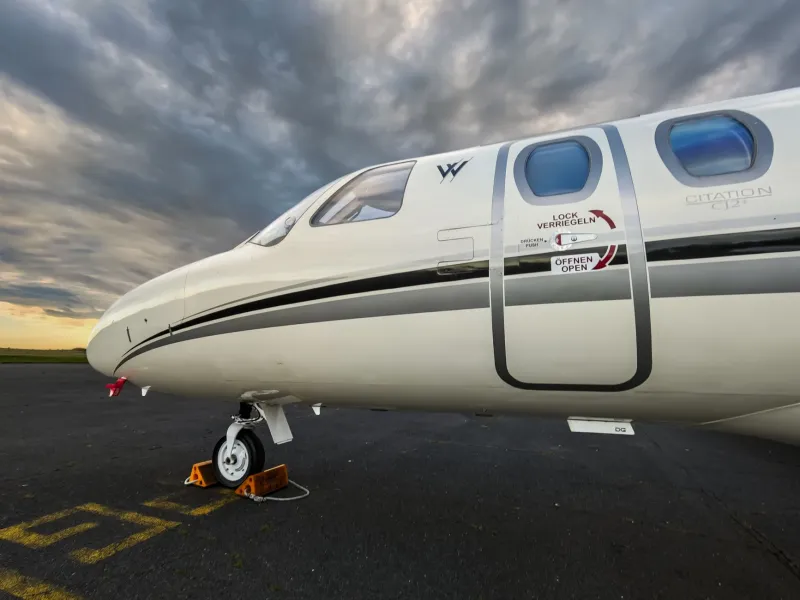
Picture this: you just played 34 minutes in an NBA game that ended at 10:30 PM Pacific time. By midnight, you're showered, packed, and headed to the airport. A charter departs at 1 AM. You land in Serbia — nine time zones away — roughly 13 hours later, and in fewer than 48 hours, you're expected to guard an EuroLeague veteran in a qualifier that actually matters for Olympic seeding.
That's not a hypothetical. That's just a normal FIBA window for a lot of guys.
The Math That Doesn't Add Up
An NBA season already asks players to show up for 82 games spread across six months, with enough cross-country flights to make your head spin. Layer a FIBA window on top — usually in November, February, or June — and you get the single most punishing travel schedule in pro sports.
"People see the highlights," one national team operations manager told us. "What they don't see is the three a.m. arrival, the team meal at midnight, and the shootaround your body thinks is happening at four in the morning."
The logistics read like a military operation. Charters booked months in advance. Customs handlers pre-cleared at remote European airports. Hotel rooms set to 68 degrees because sleep scientists swear by it. Team chefs flying ahead to stock kitchens with familiar food, because the last thing you want is a jet-lagged star trying to adjust to a foreign breakfast two days before a must-win game.
Sleep Is a Competitive Advantage
Every serious national program now employs a recovery specialist whose entire job is fighting circadian chaos. Light therapy glasses on the plane. Melatonin protocols timed to the destination's clock. Nap schedules mapped out to the quarter-hour.
"We treat jet lag like an injury," one team doctor explained. "You wouldn't let a player compete on a sprained ankle untreated. Why would you let him compete with a brain that thinks it's three in the morning?"
The data backs the obsession. Studies on long-haul travel and athletic performance consistently show reaction time and sprint output dip noticeably in the first 48 hours after crossing multiple time zones. FIBA windows rarely give you that much runway — hence the science project happening in every team hotel.
'You Sleep When You're Old'
So why do players keep signing up? Ask around and you'll hear the same answer in a dozen accents: the jersey.
One NBA forward who's done four qualifying windows with his national team put it bluntly: "The NBA pays the bills. But when I put on that national jersey, my whole country's watching. My grandma's watching. There's no amount of frequent flyer miles that compares."
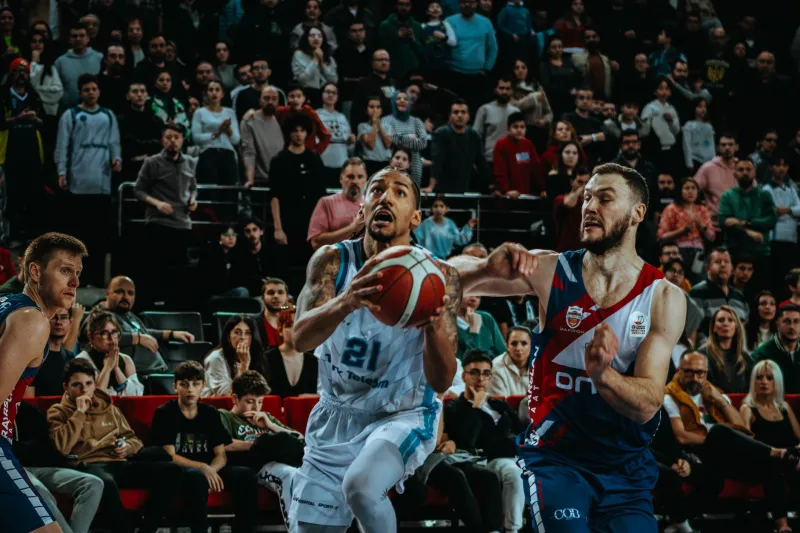
That's the emotional engine behind the grind. A qualifier in a half-empty arena in Belgrade or Tallinn doesn't have the glitz of an NBA national TV game, but for players from smaller hoops nations, it's the only stage where they represent something bigger than a franchise.
What a Typical Window Actually Looks Like
Here's a real-world timeline from a recent window, lightly condensed:
- Day 1: Land at 4 PM local. Light shootaround at 7. Team dinner. Crash.
- Day 2: Full practice, film session, physical therapy rotations until 2 PM.
- Day 3: Game one. Win or lose, the bus leaves for the airport by midnight — the second opponent is often a two-hour flight (or a five-hour bus ride) away.
- Day 4: Arrive, recover, walk-through.
- Day 5: Game two. Then the reverse commute home, where an NBA schedule is waiting with zero sympathy.
Five days, two competitive games, two or three time zones, and maybe 14 hours of quality sleep. Now multiply that across a decade of national team duty.
The Unsung Heroes
Ask anyone who's been through a window and they'll mention the equipment managers, the translators, the team chefs, and the federation staffers who spend years building relationships with hotel desks and airport security so a 6'11" center can get through customs without a scene.
"Fans see ninety minutes of basketball," one veteran staffer laughed. "I see eleven months of phone calls."
Worth Every Mile
Is representing your country the hardest gig in basketball? The travel says yes. The sleep deprivation says yes. But ask the players, and none of them would give it back. When the anthem plays and a qualifier tips off at a jammed arena overseas, the red-eye flights stop mattering — at least until the next one.