The Dynasty Nobody Copies Fast Enough: What USA Women's Basketball Really Built
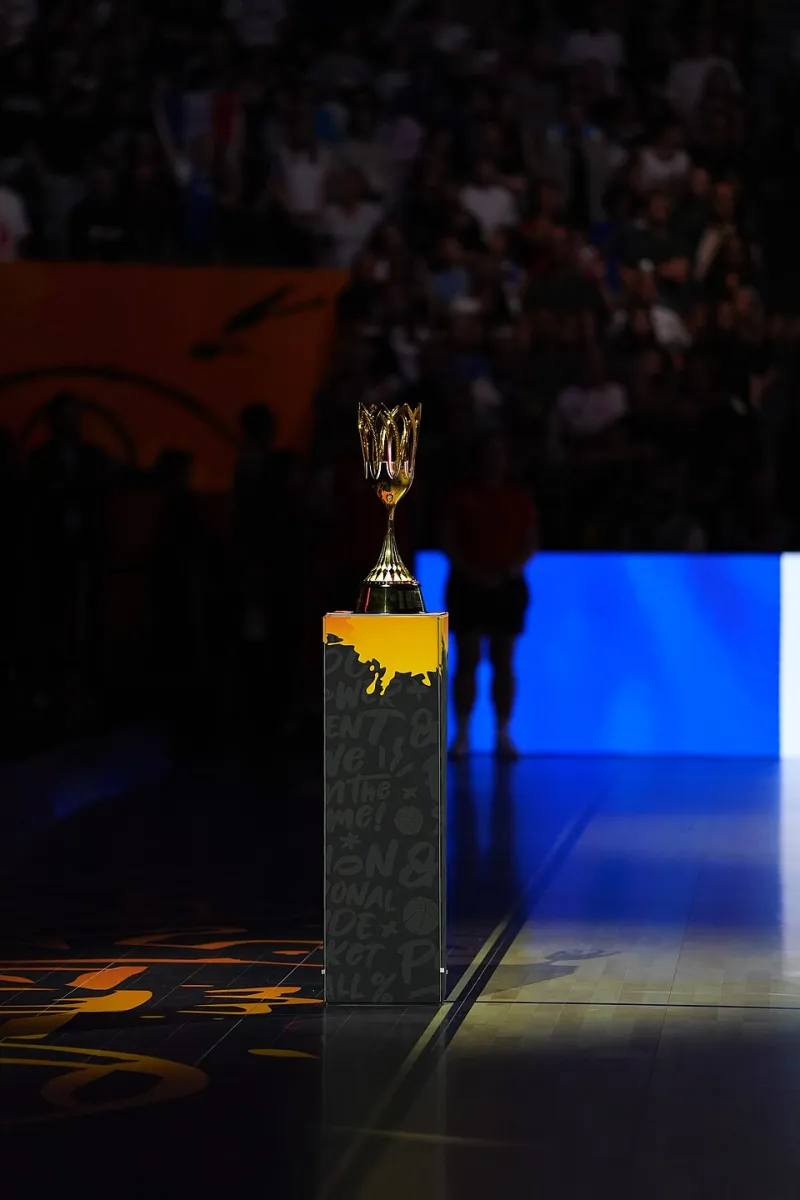
Photo: User:Zafer, CC BY-SA 4.0, via Wikimedia Commons
The 2026 FIBA Women's World Cup is fresh in the rearview, and the familiar question is back: how does USA Basketball keep doing this? The answer is not just talent. It is a pipeline. The American women's national team is the most reliable dynasty in international basketball, and the rest of the world knows it. The interesting part is what everyone else is trying to copy.
For years, the lazy explanation was that the US simply has more good players. That is true, but it is not the whole story. Plenty of countries have good players. The US has a system that turns good players into interchangeable parts, and then turns those parts into a national team that can absorb injuries, absences, and style changes without falling apart.
The Assembly Line Isn't Just Talent
College basketball is the real national-team program. The WNBA gets the attention, and the Olympic team gets the medals, but the development happens in gyms from Storrs to Baton Rouge to Los Angeles. Players learn how to play in structure, how to guard multiple positions, and how to be coached hard for four years. They also learn how to win in March, which is a useful skill in July and September.
The depth is the advantage. The US can lose a superstar and replace her with another All-Star. That is not normal. Most national teams have a clear top six and then a drop-off. The US has a top 10 and then another top 10. That makes the roster decisions hard, but it makes the team resilient.
College Basketball Is the Real National Team Program
International programs have noticed. More and more foreign players are coming through the NCAA system, and more federations are encouraging it. The college game teaches spacing, pace, and defensive discipline in a way that many club development systems do not. It also teaches players how to be evaluated every night, which is its own kind of pressure.
The copycat strategy is not complicated: get your best young players into American colleges, let them develop, and bring them back with a different basketball education. That is happening. It is one reason the international game is more skilled and more spaced than it was a decade ago.
Pace, Space, and the Copycats
The US women's team has been at the front of the pace-and-space shift. The best American teams play fast, shoot threes, and use bigs who can pass. The traditional back-to-the-basket center is still useful, but she is no longer the whole offense. The modern US team wants five players who can make a decision.
Other countries are copying that. You see more European teams playing five-out, more guards pushing the ball after makes, and more bigs handling in transition. The gap is not closed, but the style is converging. That is a compliment to the American system, and a warning to it. When everyone plays your style, your advantage gets smaller.
The Gap Is Closing—Just Not Where You Think
The US still has the deepest talent pool. That is not changing soon. But the gap at the top is thinner than the final scores sometimes suggest. The best international teams are more prepared, more physical, and more comfortable with the American style than they were 20 years ago. They are also more willing to schedule the US in the spring and summer, which helps them learn.
The next frontier is not just talent. It is coaching and infrastructure. Countries that invest in full-time national-team staffs, sports science, and youth development are going to close the gap faster than countries that rely on a single generation of great players. The US college model is a big part of that, but it is not the only part.
What the Next Copy Looks Like
The next copy of the American pipeline will not look exactly like the American pipeline. It will be a hybrid: European club development with American college spacing, national-team centers with WNBA-level sports science, and more players who can guard three positions. That is already happening.
For US fans, the takeaway is not that the dynasty is fragile. It is that the dynasty is a system, not a spell. The 2026 World Cup was another reminder that the US women's program is still the standard. The rest of the world is taking notes. The question is whether the US keeps innovating fast enough to stay ahead of its own imitators.